When is the Best Time to Visit Tanzania for an Amazing Safari Experience?
Planning your first safari can feel overwhelming with so many options. After helping thousands of visitors discover Tanzania, we've learned that the perfect time to visit completely depends on what kind of experience you're dreaming of. This detailed guide will walk you through each season's unique offerings, from wildlife spectacles to beach weather, helping you make the right choice for your adventure.
First-Time Visitor Tip
If this is your first African safari, we generally recommend June through October for easiest wildlife viewing, or January and February for incredible predator action during calving season. Both offer excellent introductions to Tanzania's wonders with predictable conditions.
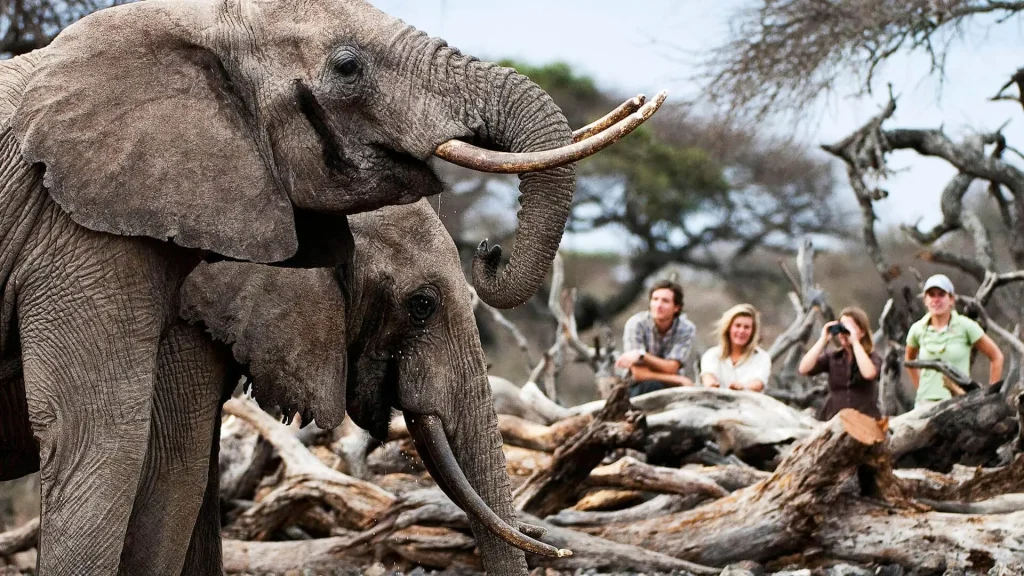 First-time safari visitors often find June-October or January-February ideal for their introduction to Tanzania's incredible wildlife
Quick Guide: Tanzania Month-by-Month Safari Ratings
We've rated every month based on overall safari experience considering wildlife viewing, weather, crowds, and value. Tap any month to jump to detailed information.
Ratings consider: Wildlife sightings ✓ Weather conditions ✓ Tourist crowds ✓ Overall value ✓
At a Glance: Best Times for Popular Tanzania Experiences
Different activities have different ideal seasons in Tanzania. Here's when to plan for specific experiences you might be interested in:
| Experience You Want | Best Time Frame | Where to Go | What You'll See |
|---|---|---|---|
| Wildebeest Calving Season | Late January - Mid March | Southern Serengeti & Ndutu | Thousands of births daily, lions and cheetahs hunting, green landscapes |
| Mara River Crossings | July - October | Northern Serengeti | Dramatic river crossings, crocodile action, massive herds |
| Easy Big Five Viewing | June - October | All major parks | Animals gathered at waterholes, thinner vegetation for better visibility |
| Budget Safari & Solitude | March - May | Nationwide | Lower prices, fewer tourists, lush green scenery, dramatic skies |
| Zanzibar Beach Holiday | June-October & Jan-Feb | Zanzibar Island | Sunny beach days, lower humidity, perfect swimming conditions |
| Kilimanjaro Summit Hike | Jan-Mar & Jun-Oct | Mount Kilimanjaro | Dry trails, clearer views, more comfortable hiking temperatures |
| Birdwatching Paradise | November - April | Throughout Tanzania | Migratory birds from Europe/Asia, breeding colors, abundant species |
| Family Safari Vacation | June-August & Dec-Jan | Family-friendly lodges | School holiday timing, great wildlife, family accommodations available |
 Understanding the wildebeest migration pattern helps you be in the right place at the right time for nature's greatest spectacle
Complete Guide Contents
- Detailed Seasonal Analysis
- Great Wildebeest Migration Calendar
- Best Time for Big Five Animals
- Beginner Safari Recommendations
- Family Safari Considerations
- Rainy Season vs Dry Season Comparison
- Combining Safari & Zanzibar Beach
- Kilimanjaro Climbing Seasons
- Tourist Crowds & Price Guide
- Month-by-Month Details
- What to Pack by Season
- Frequently Asked Questions
Tanzania's Two Faces: Rainy Green Season vs Dry Golden Season
Tanzania transforms dramatically between seasons. Each offers unique advantages depending on your travel style and priorities.
 The same location can look completely different between Tanzania's green season (left) and dry season (right)
Rainy "Green" Season Advantages
(Nov-May, especially Mar-May)
- Beautiful lush green landscapes perfect for photography
- Dramatic cloud formations and spectacular sunsets
- Significant savings - 30-50% lower prices on accommodations
- Parks feel private with very few other tourists
- Excellent for birdwatching with migratory species present
- Baby animals abundant in January-February
- Authentic cultural interactions without tourist crowds
Rainy Season Considerations
- Heavy rainfall possible, especially April (peak rainy month)
- Some roads become challenging "black cotton" mud
- A few lodges and camps close for the season
- Animals spread out more due to abundant water sources
- Higher humidity in some regions
- Not all activities may be available
- Fewer wildebeest in central Serengeti areas
Dry "Golden" Season Advantages
(Jun-Oct, especially Jul-Sep)
- Optimal wildlife viewing at waterholes and rivers
- Predictable sunny weather with minimal rainfall
- Great wildebeest migration river crossings (Jul-Oct)
- All park roads accessible and in good condition
- Ideal conditions for wildlife photography
- Perfect weather for Kilimanjaro summit climbs
- Best time for seeing the complete Big Five
Dry Season Considerations
- Cold mornings and evenings require warm layers
- Peak season crowds at popular parks and lodges
- Higher prices for accommodations and tours
- Dust can be noticeable in some arid areas
- More vehicles at popular wildlife sightings
- Need to book much further in advance
- Some areas can feel quite busy with tourists
Choosing Between Seasons
Choose Green Season if: You're budget-conscious, love photography, don't mind some rain, value solitude, and are flexible with plans.
Choose Dry Season if: This is your first safari, you want guaranteed wildlife sightings, prefer predictable weather, and don't mind higher costs and more tourists.
Still Unsure About the Best Time for Your Trip?
Our local team lives in Tanzania year-round and can match your interests, budget, and travel style with the perfect season. We provide honest advice without sales pressure—just genuine recommendations to create your ideal safari experience.
Chat with Our Local ExpertsWe typically respond within 1-2 hours • Ask for our safari planning specialists
Detailed Seasonal Guide: What to Expect Month by Month
Below we break down each season with complete honesty about the weather, wildlife, crowds, and overall experience you can expect.
New Life Season: Wildebeest Calving & Predator Action
 The Ndutu Plains become a nursery with thousands of wildebeest calves born daily during January and February
The Great Migration settles in the Southern Serengeti's Ndutu region during these months. This creates one of Africa's most remarkable wildlife events: the wildebeest calving season. With approximately 8,000 calves born each day, the plains become a nursery attracting hungry predators looking for vulnerable newborns.
Our Honest Assessment: Daytime temperatures are warm to hot with moderate humidity. While this is considered the "short dry season," afternoon thunderstorms are common. The short grass makes predator spotting exceptionally good, but the heat can be intense during midday. This is a fantastic time for photography with green backgrounds and dramatic skies.
Why Consider January-February
- Witness the incredible wildebeest calving spectacle
- Excellent predator sightings (lions, cheetahs, hyenas actively hunting)
- Beautiful green landscapes with photogenic short grass
- Better pricing than peak dry season months
- Perfect combination with Zanzibar beach extension
- Migratory birds from northern hemisphere present
- Good availability at lodges with advance booking
Points to Consider
- Warm to hot temperatures, especially midday
- Moderate humidity levels can be noticeable
- Afternoon thunderstorms occur regularly
- Higher mosquito activity in some areas
- Some secondary roads may be muddy after rains
- Not the season for Mara River crossings
- Can be busy during school holiday periods
📅 Ideal For First-Time Visitors?
Yes, with proper expectations. January and February offer incredible wildlife viewing, particularly if you're interested in predator action. The conditions are generally good for first-timers, though the heat and potential rain require appropriate clothing. Wildlife is abundant and relatively easy to spot with the short grass. This is an excellent choice if you want to combine safari with beach time in Zanzibar.
Wildlife Focus: Calving season at its peak, intense big cat activity as predators hunt vulnerable newborns
Migration Location: Southern Serengeti & Ndutu Conservation Area
Tourist Crowds: Moderate (6/10) - busier than low season but less than dry season peak
Price Level: Medium-High (7/10) - better than peak season rates
Photography Conditions: Excellent - green backgrounds, dramatic skies, beautiful light
The Emerald Season: Solitude, Savings & Spectacular Scenery
 The Serengeti transforms into a vibrant green paradise during the rainy season with dramatic cloud formations
Often overlooked by first-time visitors, Tanzania's rainy season (particularly March through May) reveals a completely different side of the country. The landscape becomes intensely green, the air clears of dust, and you'll experience Africa's most dramatic skyscapes. With most tourists avoiding this period, you'll enjoy unparalleled solitude and significant savings.
Our Honest Assessment: This is the wettest period, with April typically being the peak rainy month. Some unpaved roads become challenging "black cotton" mud that can test even experienced drivers. However, the rewards include 30-50% lower prices, parks virtually to yourself, and photographic conditions that professional photographers dream about. This is Tanzania's best-kept secret for returning visitors and those seeking authentic wilderness experiences.
Why Consider March-May
- Substantial savings - 30-50% lower prices on accommodations
- Ultimate solitude with parks nearly empty of other tourists
- Unbeatable conditions for landscape and sky photography
- Lush, vibrant green landscapes everywhere
- Excellent birdwatching with resident birds in breeding plumage
- Authentic cultural interactions without tourist crowds
- Cooler temperatures than the hot dry season
Points to Consider
- Heavy rainfall occurs, especially during April
- Challenging road conditions on unpaved tracks
- Some lodges and camps close for the season (check availability)
- Animals are more spread out due to abundant water
- Fewer wildebeest in central Serengeti areas
- Higher humidity in some regions
- Not all activities may be available or accessible
⚠️ Important April Consideration
April represents the peak of Tanzania's long rains. Many northern circuit lodges traditionally close during this month. Southern circuit parks (like Selous and Ruaha) often become better options during this period. We don't generally recommend April for first-time safari visitors due to the challenging conditions, but it can be magical for experienced travelers, photographers, and those seeking true wilderness solitude. Birdwatchers will find this season particularly rewarding.
Green Season Tip for Beginners
If you're considering the rainy season for your first safari, late March or May are better choices than April. The rains are less intense, more lodges are open, and you still benefit from lower prices and fewer tourists. Be prepared for flexibility in your itinerary as weather may affect some activities.
The Golden Season: Wildlife Spectacles & Predictable Conditions
 Dry season brings animals to limited water sources, creating exceptional wildlife viewing opportunities
This is Tanzania's classic safari season and what most first-time visitors picture when imagining an African safari. As water sources dwindle across the landscape, wildlife concentrates around remaining rivers and waterholes, creating incredible viewing opportunities. From July onward, the Great Migration reaches the Mara River, offering one of nature's most dramatic spectacles: thousands of wildebeest crossing crocodile-infested waters.
Our Honest Assessment: Don't be fooled by "Africa equals heat" assumptions. Mornings and evenings are genuinely coldat 6 AM in an open vehicle, you'll want warm layers, gloves, and possibly a hat. This is also peak tourist season, meaning more vehicles at sightings and higher prices. However, for reliable wildlife viewing and bucket-list experiences like river crossings, this season delivers consistently.
Why Consider June-October
- Dramatic Mara River crossings occur (July through October)
- Optimal wildlife visibility as animals gather at water sources
- The Great Migration is at its most spectacular
- All park roads accessible and in good condition
- Perfect weather conditions for climbing Kilimanjaro
- Ideal combination with Zanzibar's best beach weather
- Best time for seeing all Big Five animals reliably
- Predictable sunny weather with minimal rainfall
Points to Consider
- Cold mornings and evenings require proper warm clothing
- Peak season crowds at popular parks and lodges
- Premium pricing for accommodations and tours
- Dust can be noticeable, especially in arid regions
- More vehicles at popular wildlife sightings
- Need to book 6-12 months in advance for best options
- Some popular areas can feel quite busy with tourists
- Limited availability during school holiday periods
👑 Our Team's Favorite: September
Many of our guides consider September the sweet spot of the dry season. The weather is consistently pleasant, tourist numbers begin to taper slightly from August peaks, and you still have excellent chances for Mara River crossings. September often offers slightly better value than August while providing nearly identical wildlife viewing. It's also an ideal month to combine safari with a Kilimanjaro climb followed by Zanzibar relaxation—the ultimate Tanzania trifecta.
First-Timer Dry Season Advice
Pack for cold mornings! Many first-time visitors are surprised by how chilly 6 AM game drives can be. Bring layers: thermal base layer, fleece, jacket, gloves, and warm hat. The temperature warms significantly by mid-morning, so you'll shed layers throughout the day. Also consider June or October instead of July-August for slightly fewer crowds while still enjoying excellent conditions.
Transition Season: Birding Paradise & Beautiful Green-Up
 The short rains bring refreshing showers, migratory birds, and the beginning of the landscape's green transformation
The "short rains" typically arrive in November, bringing brief, refreshing afternoon showers that green up the parched landscapes. This transitional period offers a wonderful blend of dry season advantages (good wildlife viewing) with emerging green season benefits (fewer crowds, better prices starting to appear). The herds begin their journey back south toward the fresh grasses, and migratory birds return in spectacular numbers.
Our Honest Assessment: Weather during this period can be unpredictable—some years the short rains are barely noticeable afternoon sprinkles, while other years bring more substantial daily showers. It's a calculated gamble that often pays off beautifully. This is prime time for bird enthusiasts, as thousands of migratory species arrive from Europe and Asia. The landscape begins its transformation from golden brown to vibrant green, creating stunning photographic opportunities.
Why Consider November-December
- Fewer tourist crowds than peak dry season months
- More favorable pricing compared to June-October
- Paradise for birdwatchers with migratory species arriving
- Beautiful transition as landscapes begin to green up
- Great migration herds moving back toward southern Serengeti
- Refreshing rains typically occur in short afternoon bursts
- Good combination of wildlife viewing and value
- Pleasant temperatures without extreme heat or cold
Points to Consider
- Unpredictable rainfall patterns year to year
- Some roads may become slippery after rains
- Not the peak period for dramatic river crossings
- Some lodges begin seasonal preparations or closures
- Hot and humid conditions in coastal areas
- Late December (holiday period) gets busy and expensive
- Afternoon activities may occasionally be disrupted by rain
- Wildlife begins to spread out as water becomes more available
🐦 Birdwatcher's Dream Season
November through December is exceptional for birdwatching in Tanzania. Migratory birds from Europe and Asia return, joining resident species in breeding plumage. With over 1,100 bird species recorded in Tanzania, this period offers some of the best opportunities for enthusiasts. The combination of available water sources and emerging vegetation creates ideal conditions for bird photography and observation throughout the parks.
Short Rains Strategy
If visiting during the short rains, plan morning activities when rainfall is least likely. Afternoon showers typically last 1-2 hours and can be quite refreshing. Have a waterproof layer accessible and consider lodges with covered viewing areas or indoor common spaces where you can relax during heavier showers. The reward is often spectacular rainbows and dramatic skies afterward.
Quick Reference: Tanzania Month-by-Month Summary
January
Rating: Excellent
Calving season begins in Southern Serengeti. Green landscapes. Good predator action.
Ideal for: Wildlife photographers, first safari, combining with beach
February
Rating: Excellent
Peak calving season. Intense predator activity. Still good value before high season.
Ideal for: Big cat enthusiasts, family safaris, birdwatchers
March
Rating: Good
Long rains begin. Lush green landscapes. Prices drop significantly. Fewer tourists.
Ideal for: Budget travelers, photographers, returning visitors
April
Rating: Poor
Peak rainy month. Many lodges closed. Challenging road conditions. Very few tourists.
Ideal for: Adventure seekers, photographers, solitude lovers
May
Rating: Poor
Rains continue but easing. Incredibly green landscapes. Still very few tourists.
Ideal for: Green season enthusiasts, budget-conscious travelers
June
Rating: Excellent
Dry season begins. Wildlife concentrates at waterholes. Migration moves north.
Ideal for: General wildlife viewing, first-time safari visitors
July
Rating: Excellent
Mara River crossings begin. Peak wildlife viewing. Cold mornings require warm clothes.
Ideal for: Migration enthusiasts, wildlife photographers
August
Rating: Excellent
Peak dry season. Best chance for river crossings. Most crowded and expensive month.
Ideal for: Guaranteed wildlife sightings, group tours, families
September
Rating: Excellent
Our team's favorite month. Great weather, slightly fewer crowds than August, good value.
Ideal for: All-around best experience, honeymooners, photographers
October
Rating: Good
End of dry season. Very dry landscape. Last chance for river crossings. Beginning of heat.
Ideal for: Wildlife viewing, Kilimanjaro climbs, fewer crowds
November
Rating: Good
Short rains begin. Landscape greens up. Migratory birds return. Good value emerges.
Ideal for: Birdwatchers, photographers, value-seeking travelers
December
Rating: Good
Short rains continue. Holiday season begins. Migration moves south. Green landscapes.
Ideal for: Festive season travelers, birdwatchers, family holidaysFrequently Asked Questions by First-Time Visitors
What is the absolute best month for a first-time safari in Tanzania?
For most first-time visitors, we recommend September as it offers excellent wildlife viewing, pleasant weather, and slightly fewer crowds than August. Alternatively, February provides incredible predator action during calving season with good weather conditions.
How far in advance should I book my Tanzania safari?
For dry season (June-October): 6-12 months in advance for best lodge selection and guiding availability.
For green season (January-May, November-December): 3-6 months in advance is usually sufficient, though popular lodges still book early.
Can I combine a safari with Zanzibar in any month?
Yes, but some months are better than others. June-October and January-February offer Zanzibar's best beach weather. The rainy seasons (March-May and November) can still work but may have occasional showers affecting beach time.
Is the rainy season really that bad for safaris?
Not at all—it's just different. The rainy season offers lush landscapes, fewer tourists, and lower prices. Some roads become challenging, and you may encounter afternoon showers, but many travelers love this season's authentic feel and photographic opportunities.
What should I pack for a Tanzania safari?
Dry season (Jun-Oct): Warm layers for mornings/evenings, sun protection for days.
Wet season (Nov-May): Waterproof jacket, quick-dry clothing, waterproof bags for cameras.
Year-round: Neutral-colored clothing, binoculars, good camera, sunscreen, hat.
Ready to Plan Your Perfect Tanzania Adventure?
Our local team lives and works in Tanzania year-round. We understand the subtle differences between seasons and can match your interests with the ideal timing and locations. Contact us for personalized, honest advice without any obligation.
Start Planning with Local ExpertsWe create customized itineraries based on your preferences, budget, and desired experiences