Serengeti Wildlife Guide 2026.
When and where to find lions, leopards, elephants, and the Great Migration. Your essential viewing guide for 2026.
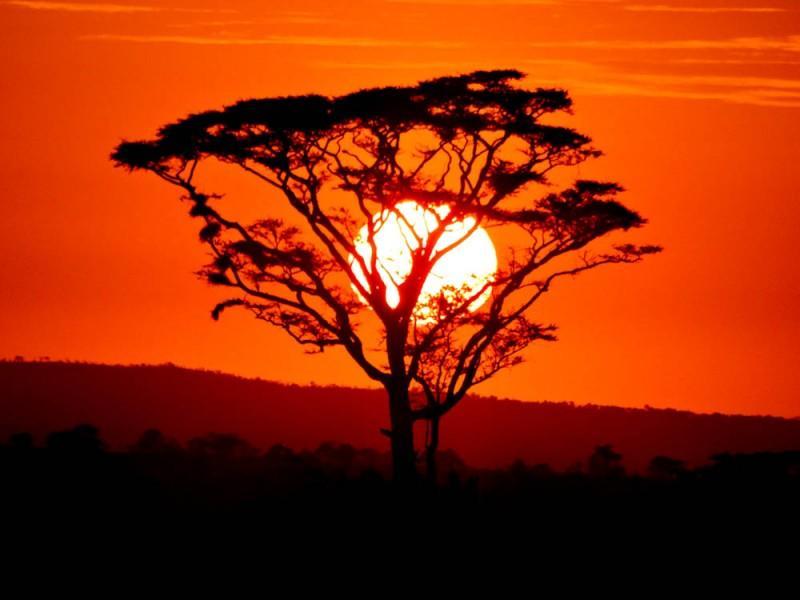
The Serengeti hosts Africa's most spectacular wildlife concentrations. Knowing when and where to look makes all the difference.
Finding Wildlife in the Serengeti
The Serengeti isn't just a park—it's a living, breathing ecosystem where 2 million animals follow ancient patterns. Having guided wildlife enthusiasts since 2011, I can tell you that successful wildlife viewing comes down to three things: timing, location, and local knowledge.
This guide will show you exactly where to find each member of the Big Five, when to visit for specific wildlife events, and how to maximize your sightings in 2026 based on current animal movements and conservation areas.
The Big Five: Where to Find Them in 2026
Contrary to popular belief, the "Big Five" refers to the five most difficult animals to hunt on foot—not the largest. Here's where to find them in the Serengeti ecosystem:
Lion
Best Areas: Seronera Valley, Lobo, Ndutu
Best Time: Year-round, but most active during dry season (Jun-Oct)
2026 Insight: Look near kopjes (rock formations) in morning. The Seronera Valley has the highest lion density in Africa.
Chance of Seeing: 95%+ in 3+ day safari
Leopard
Best Areas: Seronera River, Lobo Kopjes
Best Time: Early morning or late afternoon
2026 Insight: Look in sausage trees near rivers. Leopards are solitary and harder to spot—experienced guides are essential.
Chance of Seeing: 70% with experienced guide
Elephant
Best Areas: Western Corridor, Grumeti River
Best Time: Dry season (Jun-Oct) at water sources
2026 Insight: Herds are returning to central Serengeti after poaching recovery. Largest herds near permanent water.
Chance of Seeing: 90%+
Black Rhino
Best Areas: Ngorongoro Crater (not Serengeti)
Best Time: Early morning in crater
2026 Insight: Extremely rare in Serengeti. Your best chance is Ngorongoro Crater where they're protected 24/7 by rangers.
Chance of Seeing: 40% in Ngorongoro Crater
Cape Buffalo
Best Areas: Seronera, Western Corridor
Best Time: Year-round near water
2026 Insight: Large herds of 500+ common. Often found near lions—buffalo are their main prey during wet season.
Chance of Seeing: 99%
Cheetah
Best Areas: Southern Plains (Ndutu), Eastern Serengeti
Best Time: Jan-Mar for hunting action
2026 Insight: Southern Serengeti during calving season (Jan-Mar) offers best cheetah viewing in Africa.
Chance of Seeing: 85% in Southern Serengeti Jan-Mar
2026 Seasonal Wildlife Calendar
Wildlife movements in the Serengeti follow predictable patterns. Here's what to expect each season:
| Season | Wildlife Action | Best For | 2026 Booking Advice |
|---|---|---|---|
| Jan-Mar (Calving Season) |
Wildebeest calving in South, predator action intense, cheetah sightings peak | Predator viewing, photography, fewer crowds than peak | Book Ndutu camps by Aug 2025 |
| Apr-May (Green Season) |
Herds disperse, lush landscapes, migratory birds arrive, baby animals | Birdwatching, photography, value | 30-50% discounts, flexible booking |
| Jun-Jul (Dry Season Start) |
Herds move north, Western Corridor crossings, good general wildlife | Good all-around viewing, fewer crowds than Aug-Oct | Book 6-8 months ahead |
| Aug-Oct (Peak Dry Season) |
Mara River crossings, predator action, animals at waterholes | Dramatic river crossings, photography | Book 9-12 months ahead for river camps |
| Nov-Dec (Short Rains) |
Herds return south, good general wildlife, birdlife excellent | Good conditions with lower prices | 3-4 month advance booking ideal |
Serengeti Park Zones: Where to Focus
The Serengeti is divided into distinct ecological zones, each with different wildlife concentrations:
Southern Plains
(Ndutu Area)
Jan-Mar: Calving season
Best for: Predator action, cheetah, calving wildebeest
Central Serengeti
(Seronera Valley)
Year-round wildlife
Best for: Big cats, resident wildlife, leopard sightings
Western Corridor
(Grumeti River)
May-Jul: River crossings
Best for: Crocodile action, smaller crowds
Northern Serengeti
(Mara River)
Aug-Oct: Main crossings
Best for: Dramatic river crossings, luxury camps
Eastern Plains
(Lobo Area)
Year-round
Best for: Lion prides, kopje landscapes
Western Plains
(Kirawira)
Dry season
Best for: Elephant herds, remote experience
Expert Wildlife Viewing Tips
Maximize Your Sightings
Timing is Everything: Animals are most active during cooler hours—early morning (6-10 AM) and late afternoon (3-6 PM). Midday is for rest and photo review.
Listen to Your Guide: Experienced guides communicate with other vehicles. If you see several vehicles gathered, something interesting is happening.
Patience Pays: Wildlife viewing isn't instant. Spending 20-30 minutes at a sighting often reveals more animal behavior than rushing to the next spot.
Look for Signs: Vultures circling = kill site. Birds calling loudly = predator nearby. Dust clouds = moving herds.
2026 Specific: With new park regulations limiting vehicle numbers at sightings, patience is more important than ever.
Plan Your 2026 Wildlife Adventure
Let us create a safari itinerary optimized for wildlife viewing based on your travel dates and interests.
Plan Your Wildlife SafariFree consultation • Expert guide matching • Best viewing locations for your dates